Green Initiatives: How E-Waste Recycling Services Are Protecting Our Planet
E-waste poses significant threats to the environment, as discarded electronics often contain toxic materials. Such dangerous compounds can pollute soil and water supplies, leading to broader ecological damage. E-waste recycling services present a viable solution. They successfully retrieve useful resources while simultaneously minimizing environmental pollution. Gaining insight into how these programs function and affect local communities is critical. Pursuing efficient e-waste management brings forth pressing questions regarding individual duties and shared responsibility. What measures can be pursued from this point onward?
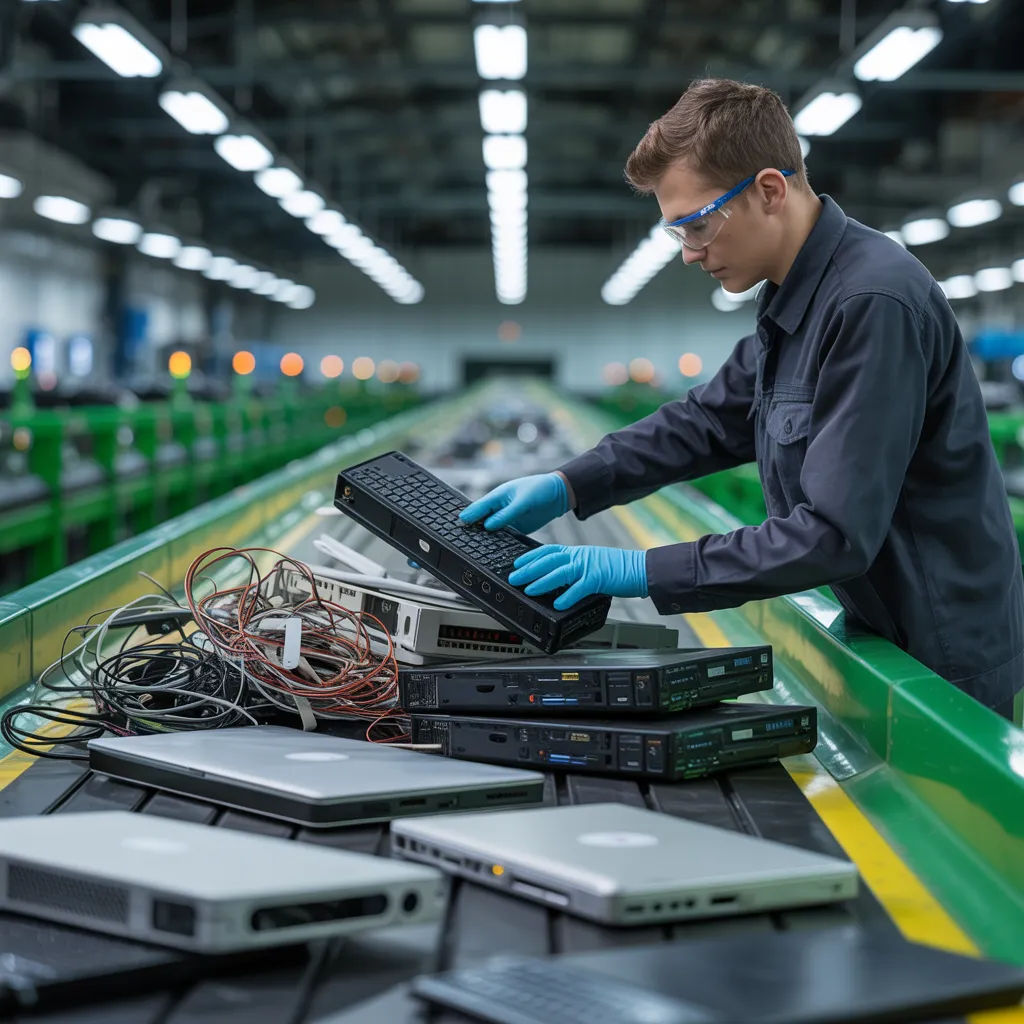
How E-Waste Is Hurting the Planet
Even though technology enhances modern life, e-waste creates significant environmental threats. Discarded electronic devices, commonly laden with hazardous materials such as cadmium, lead, and mercury, may release harmful substances into groundwater and soil, presenting dangers to ecosystems and human health. The swift progression of technology leads to increased consumer turnover of electronics, worsening the buildup of electronic waste.
Landfills, already strained by waste, are unable to keep up with the rising quantities of abandoned electronics. Incineration, another disposal method, releases harmful pollutants into the atmosphere, contributing to air quality degradation. In addition, improper recycling practices can lead to the exportation of e-waste to developing countries, where laborers may dismantle devices without adequate safety measures, exposing themselves to dangerous substances. This pattern of negligence and mismanagement highlights the critical demand for eco-friendly recycling alternatives that can reduce the damaging impact of electronic waste on the environment.
What Is E-Waste and Why Does It Matter?
Electronic waste, commonly known as e-waste, encompasses unwanted electronic equipment like smartphones, computers, and televisions that are no longer functional or needed. This rapidly expanding waste category is noteworthy owing to its accelerating volume, driven by technological advancements and consumer trends. As more devices become obsolete, the environmental impact intensifies, with toxic materials such as lead, mercury, and cadmium threatening both ecosystems and public health.
The importance of addressing e-waste lies not only in mitigating these hazards but also in recognizing the valuable materials it contains. Critical metals and rare earth components can be reclaimed and recycled, decreasing the reliance on mining and protecting natural resources. By understanding e-waste and its implications, individuals and organizations can make informed decisions about disposal and recycling, ultimately contributing to a more sustainable future. Effective handling of e-waste is vital for encouraging a circular economy and advancing environmental responsibility.
How E-Waste Recycling Works
The recycling of e-waste encompasses a structured approach intended to extract beneficial components while limiting ecological damage. Initially, discarded electronics are retrieved and sent to dedicated processing centers. Upon arrival, the equipment is meticulously organized to isolate dangerous parts from recoverable materials.
After this step, specialists deconstruct the products, extracting metals, plastics, and glass. This step is critical, as it allows for the recovery of valuable metals like gold, silver, and copper, which may be utilized in new electronic products.
Next, the separated materials are processed using advanced techniques, such as shredding and specialized chemical treatments, to prepare them for repurposing.
In the final step, the remaining hazardous materials are disposed of responsibly, following eco-friendly standards. This multi-step approach not only preserves valuable resources but also mitigates the risks associated with irresponsible electronic waste disposal, securing a more eco-conscious future for the consumption of electronics.
Advantages of E-Waste Recycling for You and Your Community
Although it often goes unnoticed, the advantages of e-waste recycling go far beyond individual benefit and actively shape entire communities. By properly recycling electronic waste, individuals help foster a safer environment, reducing harmful substances that can contaminate soil and water. This forward-thinking practice helps preserve local ecosystems and promotes public health.
Additionally, electronic waste recycling supports employment opportunities within local communities. Local recycling facilities often require personnel for a range of functions, spanning collection through processing, consequently creating meaningful employment to area workers. This not only boosts the local economy but also fosters community involvement in eco-friendly practices.
Moreover, familiarity with e-waste recycling may result in awareness campaigns, enabling residents to make environmentally conscious decisions. By enrolling in e-waste recycling programs, individuals foster a culture of sustainability, inspiring others to do the same. In summary, the collective impact of these actions can result in a more sustainable and conscientious community.
Tips for Choosing an E-Waste Recycling Service
Choosing the best electronic waste recycling provider is essential for making sure that e-waste is managed responsibly and sustainably. First, individuals should check the provider's certifications, such as R2 and e-Stewards certifications, which signify adherence to established benchmarks for secure waste disposal procedures. It's also important to assess the company's standing by reviewing feedback and looking for referrals from reliable sources.
Next, openness in the recycling process is crucial. A trustworthy service should provide clear information about how e-waste is processed and how the materials are utilized. Furthermore, evaluating the range of services offered can be beneficial; various firms may supply retrieval services or extend benefits for recycling.
Ultimately, familiarizing yourself with area-specific requirements for e-waste disposal can further guide the selection process. By taking these elements into account, residents can actively participate in efficient electronic waste handling while also advancing green and responsible behaviors.
How You Can Take Part in E-Waste Recycling?
Getting involved with e-waste recycling can start at the local level, where local recycling facilities frequently offer essential services for responsible disposal. Moreover, joining community awareness campaigns can strengthen efforts to inform others regarding the importance of ethical e-waste practices. These initiatives not only promote sustainability but also foster a collective Start here sense of accountability for the environment.
Nearby Recycling Facilities
Many neighborhood recycling stations fulfill a critical purpose in recycling electronic waste, providing communities with accessible options to handle electronic waste in a responsible manner. These centers accept a range of digital devices, including used computers, handheld devices, and televisions, guaranteeing that dangerous substances are processed safely. The majority of facilities employ trained staff who help individuals navigate appropriate disposal procedures, emphasizing the importance of recycling over landfilling. Moreover, numerous facilities provide organized drop-off opportunities or appointed collection periods, making it easy for residents to participate. By utilizing these local services, community members advance a circular economy, lowering environmental harm and encouraging sustainable habits. Working alongside these hubs allows communities to address e-waste pollution proactively.
Community Outreach Campaigns
Nearby organizations, schools, and enterprises can collaborate to host events that promote e-waste collection drives. Volunteers can play a pivotal role in spreading awareness, distributing educational materials, and engaging with the community. As a result of these combined actions, community members grow more knowledgeable and inspired to dispose of their electronics responsibly, thereby helping to build a greener and more sustainable tomorrow.
Frequently Asked Questions
What Electronic Devices Are Eligible for Recycling?
A wide range of electronics may be recycled, including smartphones, computers, laptops, televisions, printers, and gaming consoles. Additionally, accessories such as mice, keyboards, and batteries are also suitable for recycling, contributing to efforts to conserve the environment.
Are There Fees Involved With E-Waste Recycling?
That's correct, e-waste recycling sometimes comes with costs, subject to the service provider. Certain providers apply costs for collection or processing, while other facilities offer free services, frequently supported by the resale of recovered materials.
How Do Businesses Gain From E-Waste Recycling?
Companies can take advantage of e-waste recycling by lowering disposal expenses, improving their green reputation, meeting compliance standards, recovering valuable materials, and potentially generating revenue through resale, ultimately contributing to a more sustainable operational strategy.
What Happens to Data on Recycled Devices?
Data on repurposed electronics is often permanently erased or eliminated throughout the recycling process. This ensures sensitive information remains secure, preventing unauthorized access while allowing components to be recycled safely and responsibly within new applications.
Are Broken Electronics Eligible for Recycling?
Indeed, non-functioning electronics are able to be recycled. Several recycling centers process defective devices, providing proper disposal and retrieval of precious materials. Doing so helps minimize environmental impact while promoting sustainable recycling habits to manage electrical waste efficiently.